
GIU is an extraordinary place for learning, discovery and transformation. Here, you have the freedom to ask questions, challenge the ordinary and spark innovation. We seek out bright and curious minds with revolutionary ideas to create an empowering community of leaders and change makers.
Pillar II: Sustainable Development Goals — Research, Teaching & Outreach
Green International University (GIU) integrates the United Nations Sustainable Development Goals (SDGs) across its teaching, research, innovation, and community engagement activities. Through an interdisciplinary approach, the University prepares graduates to address contemporary environmental, social, economic, and technological challenges while contributing to sustainable development at local, national, and global levels.
SDG-Integrated Education
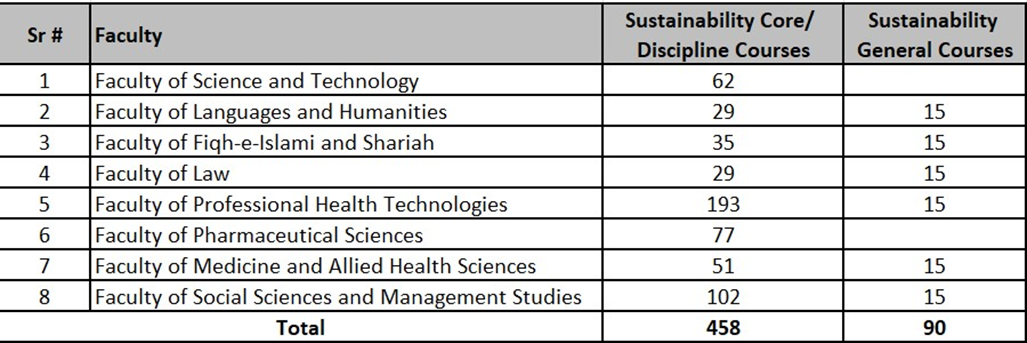
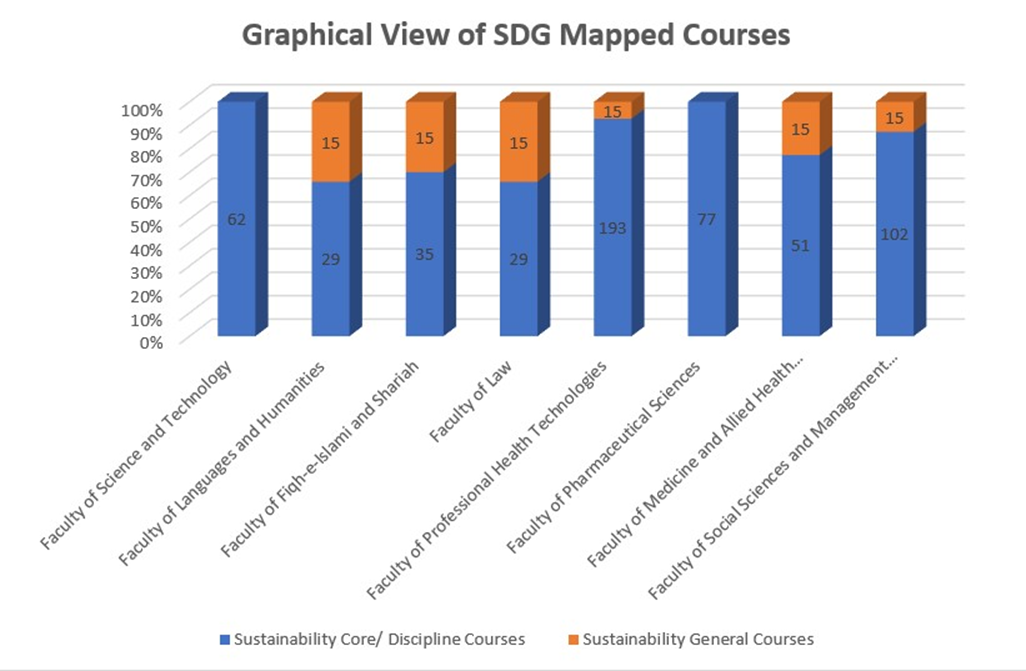
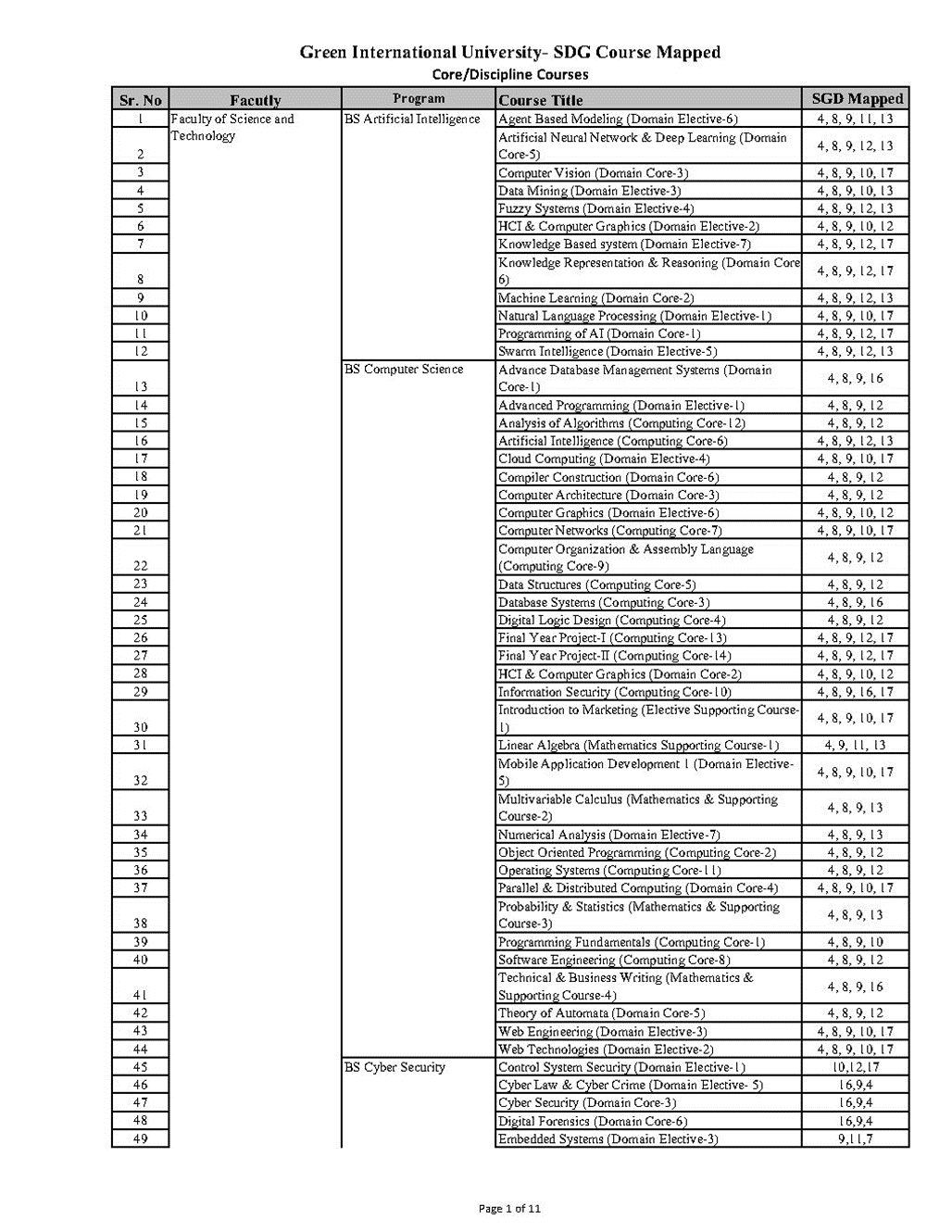
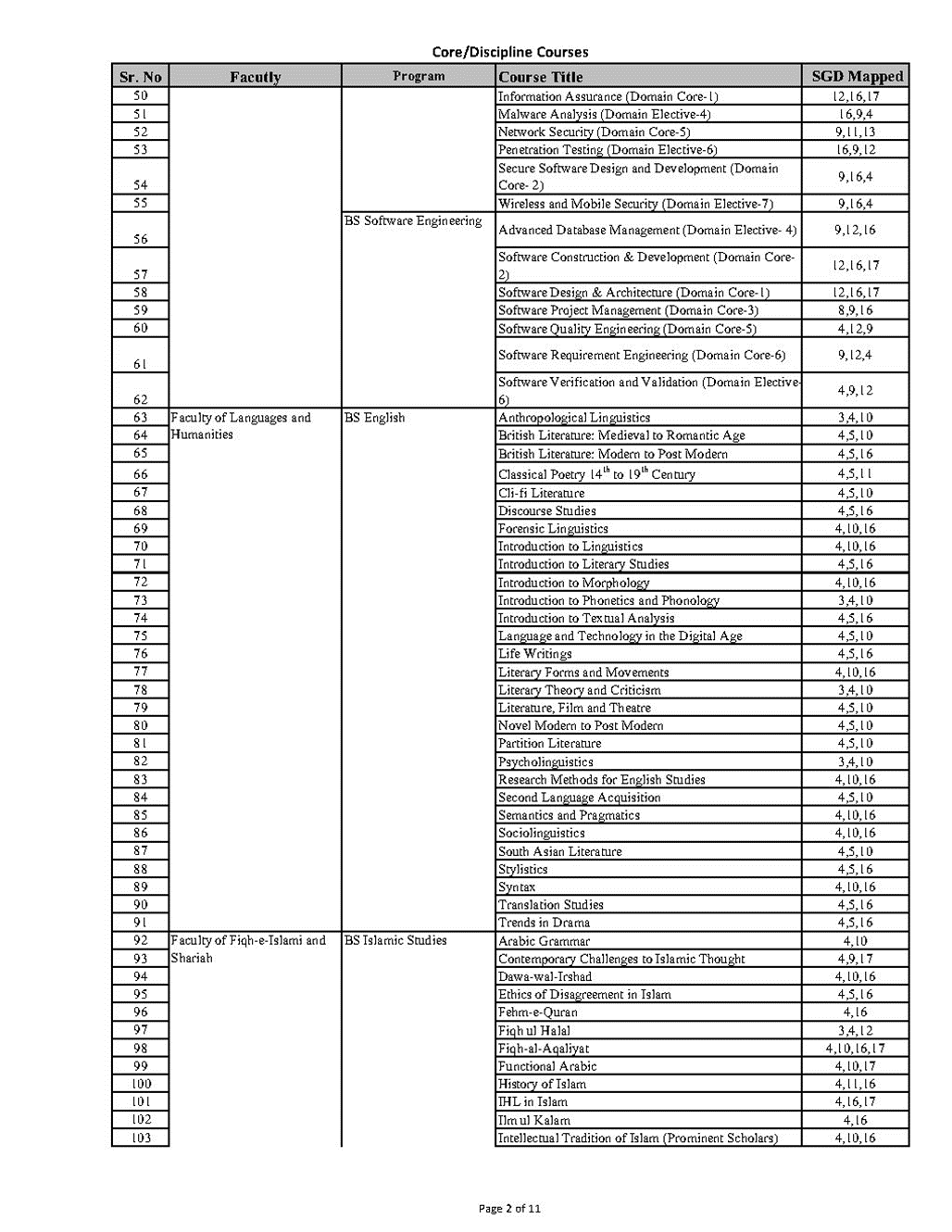
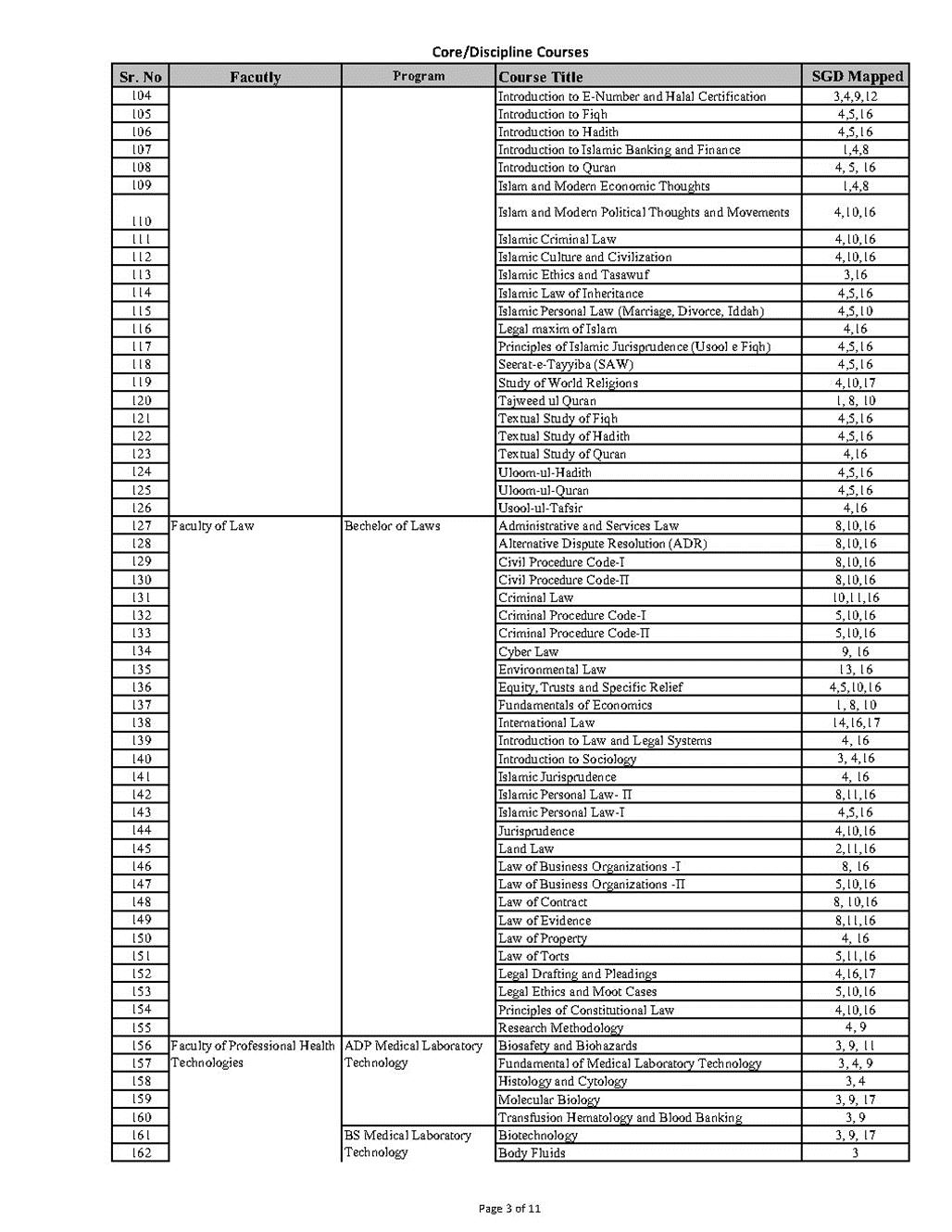
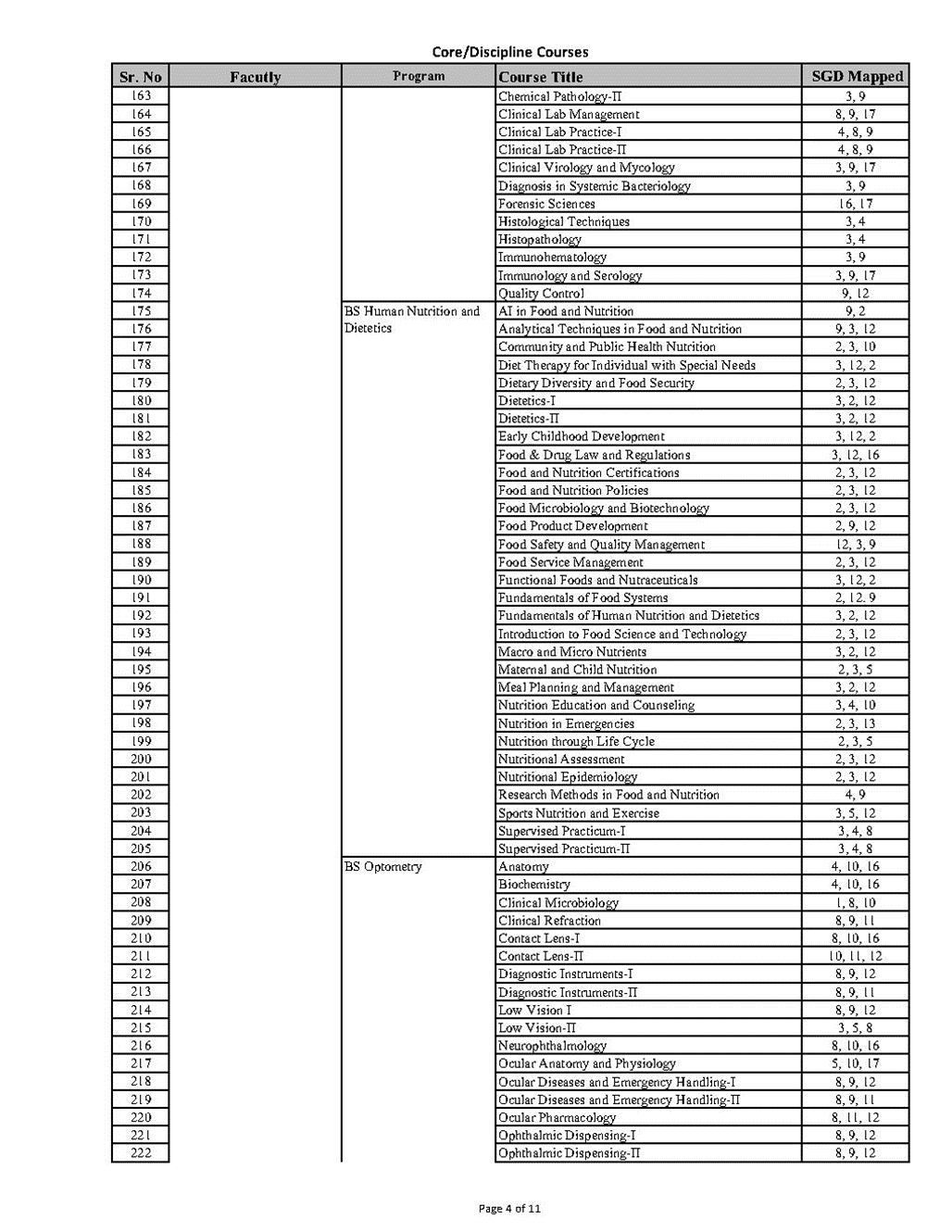
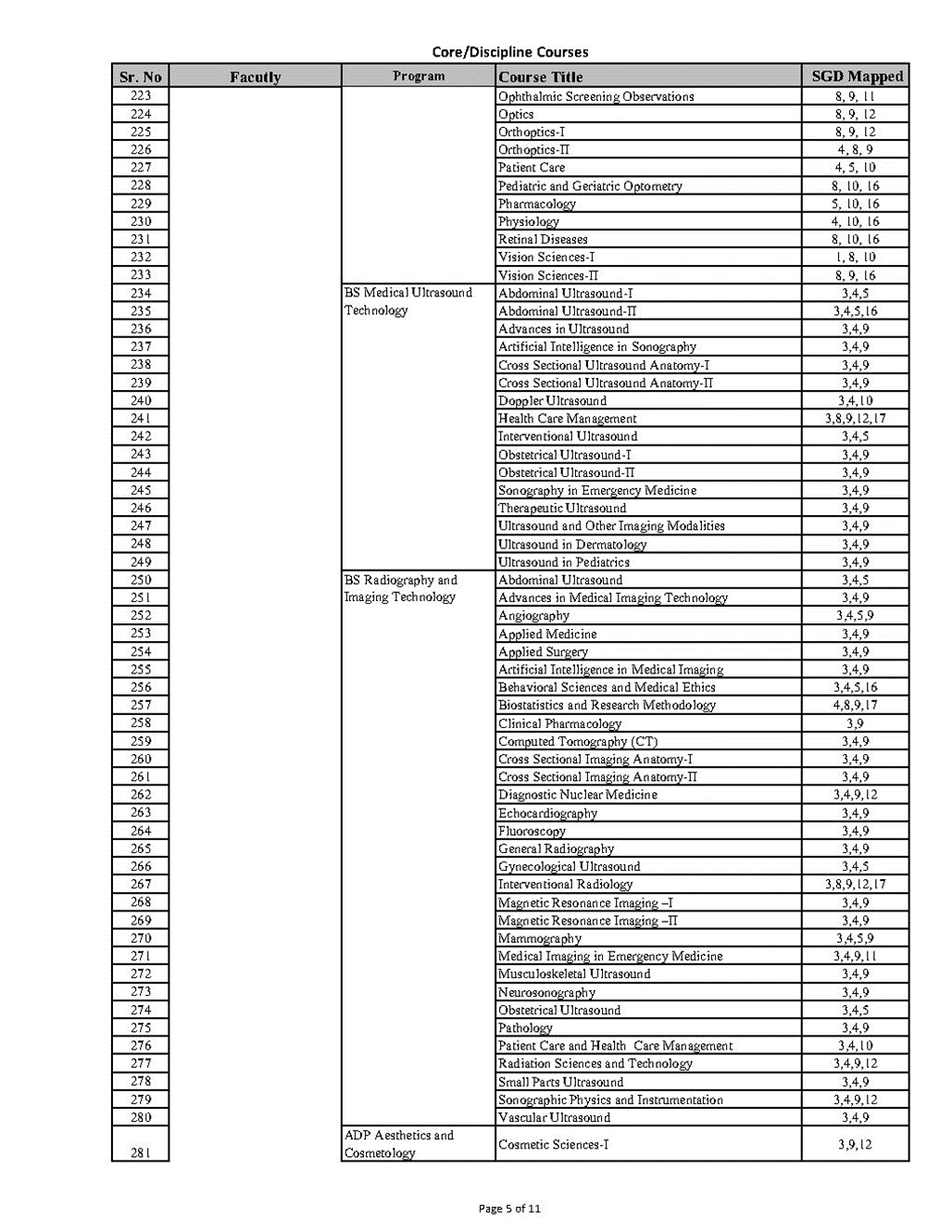
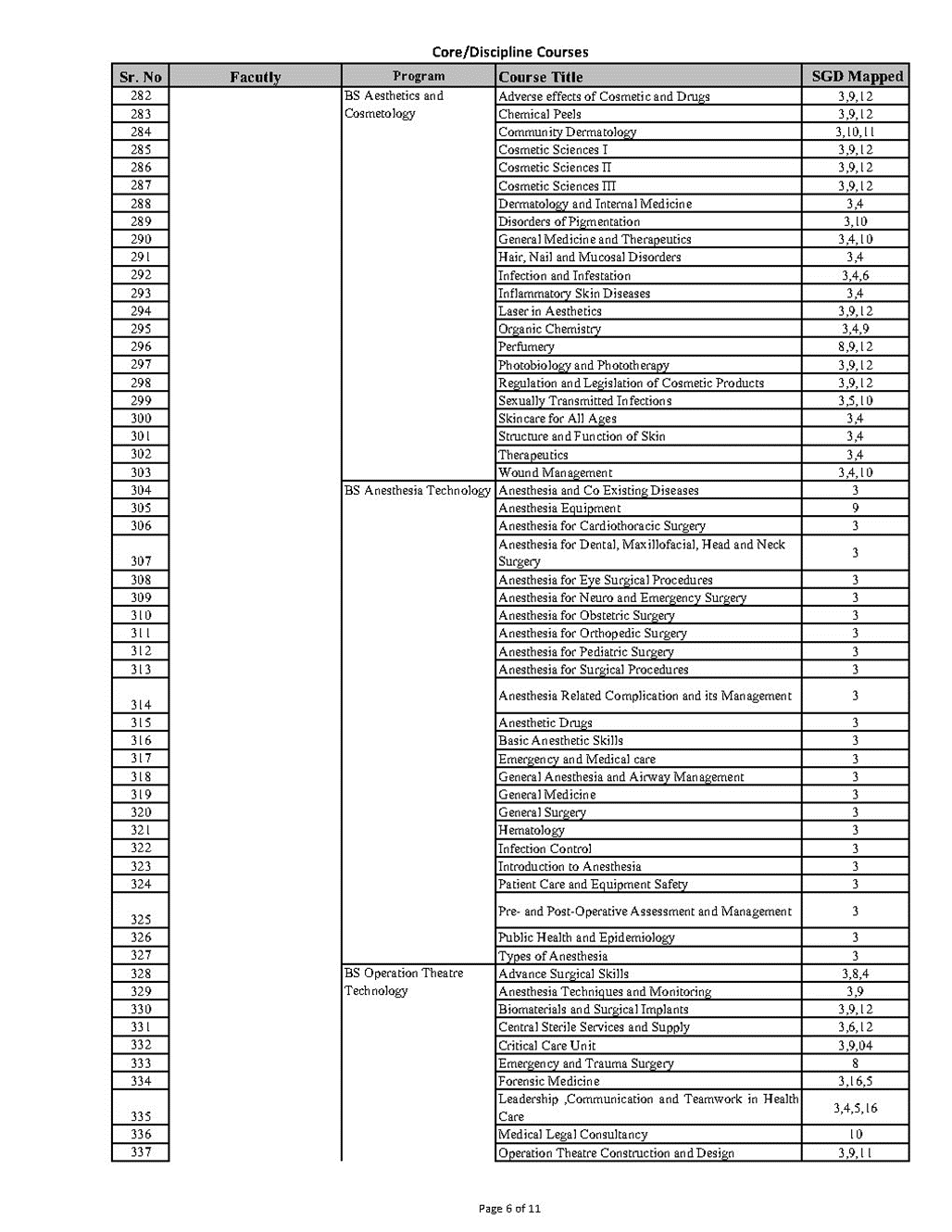
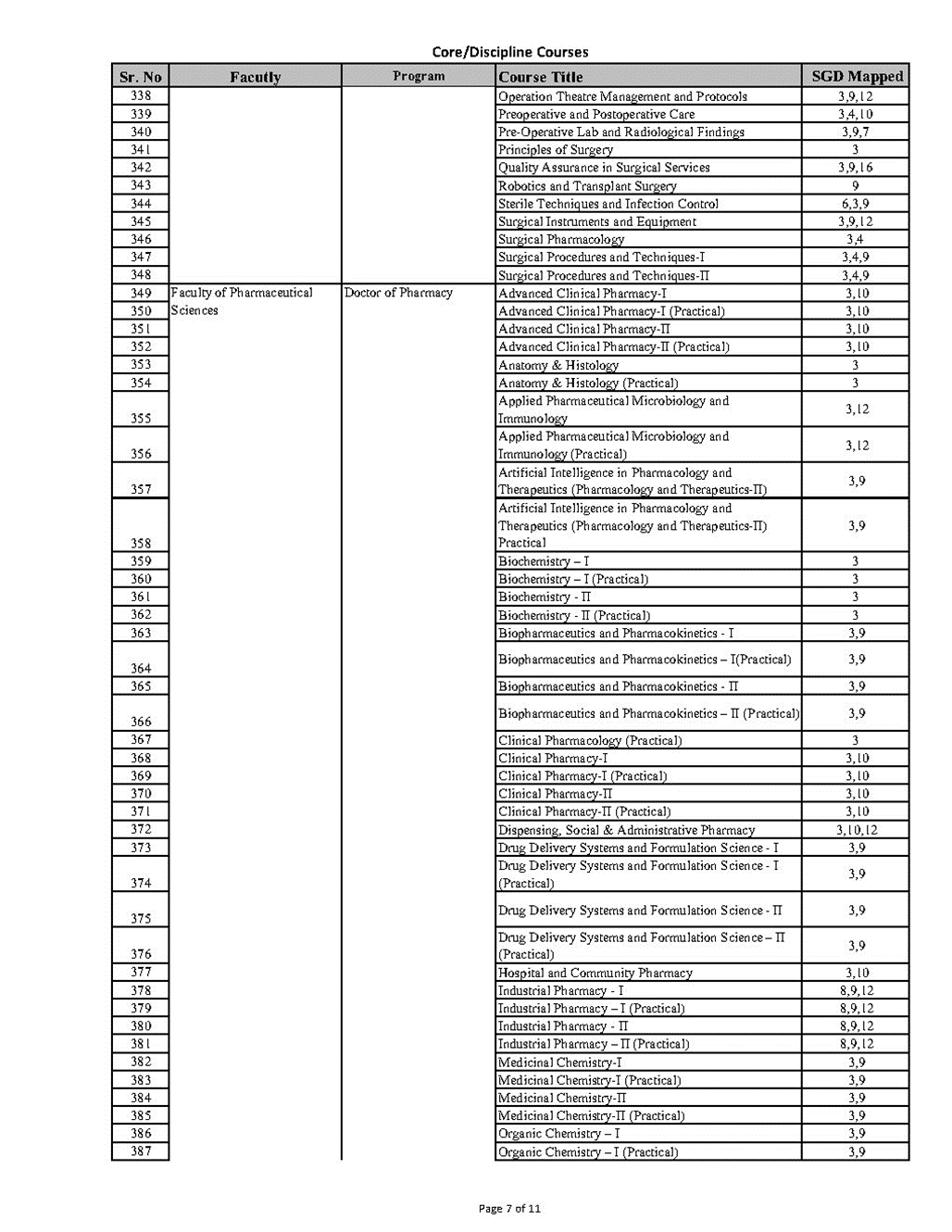
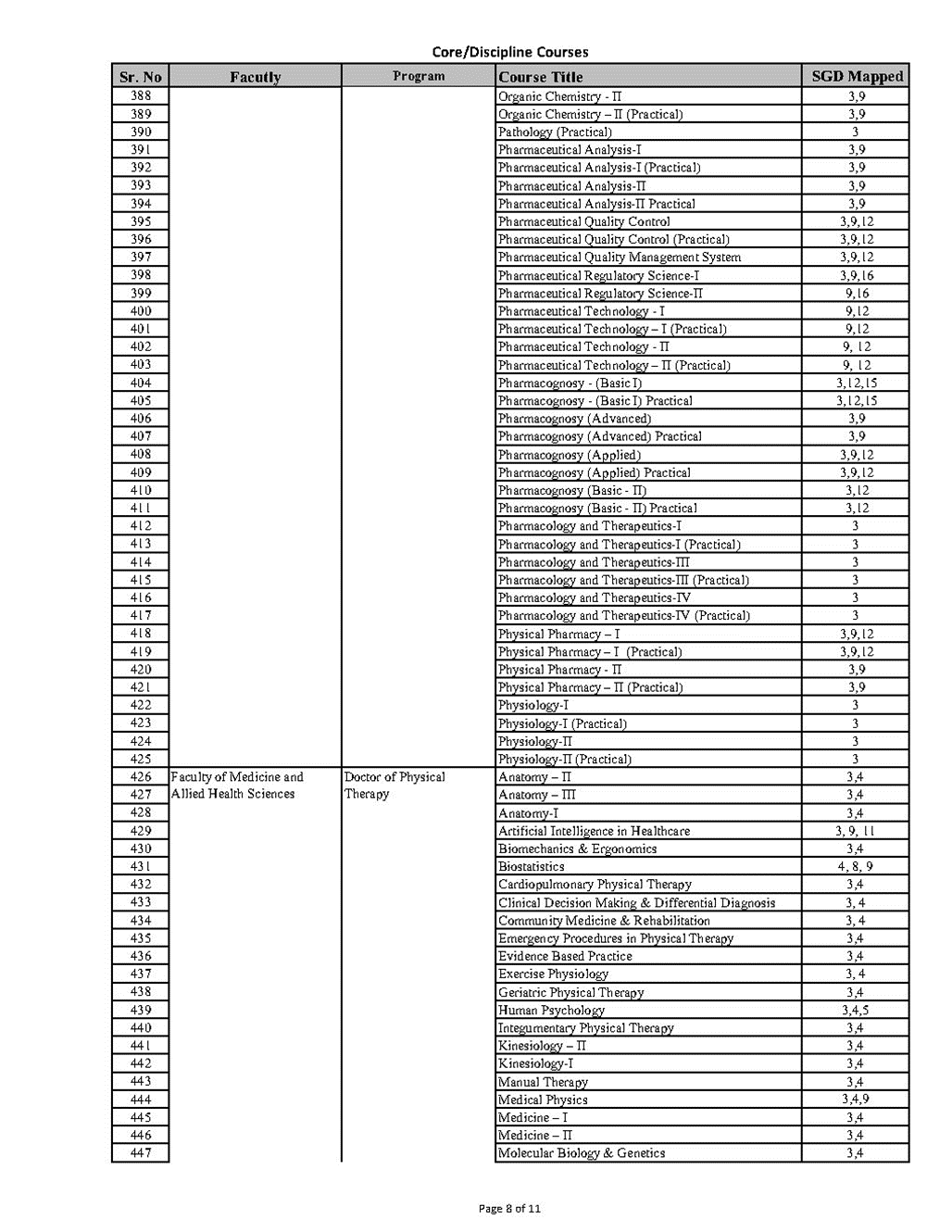
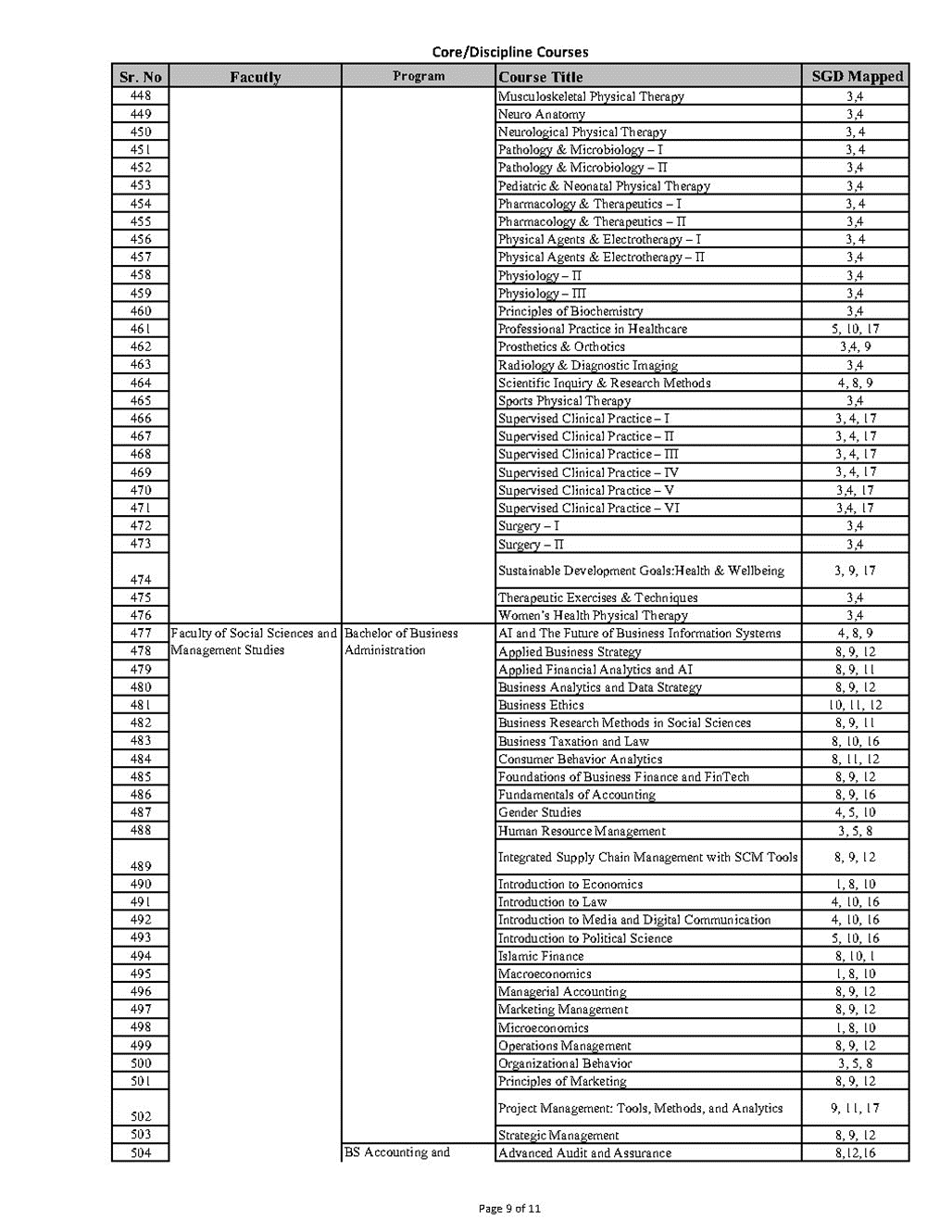
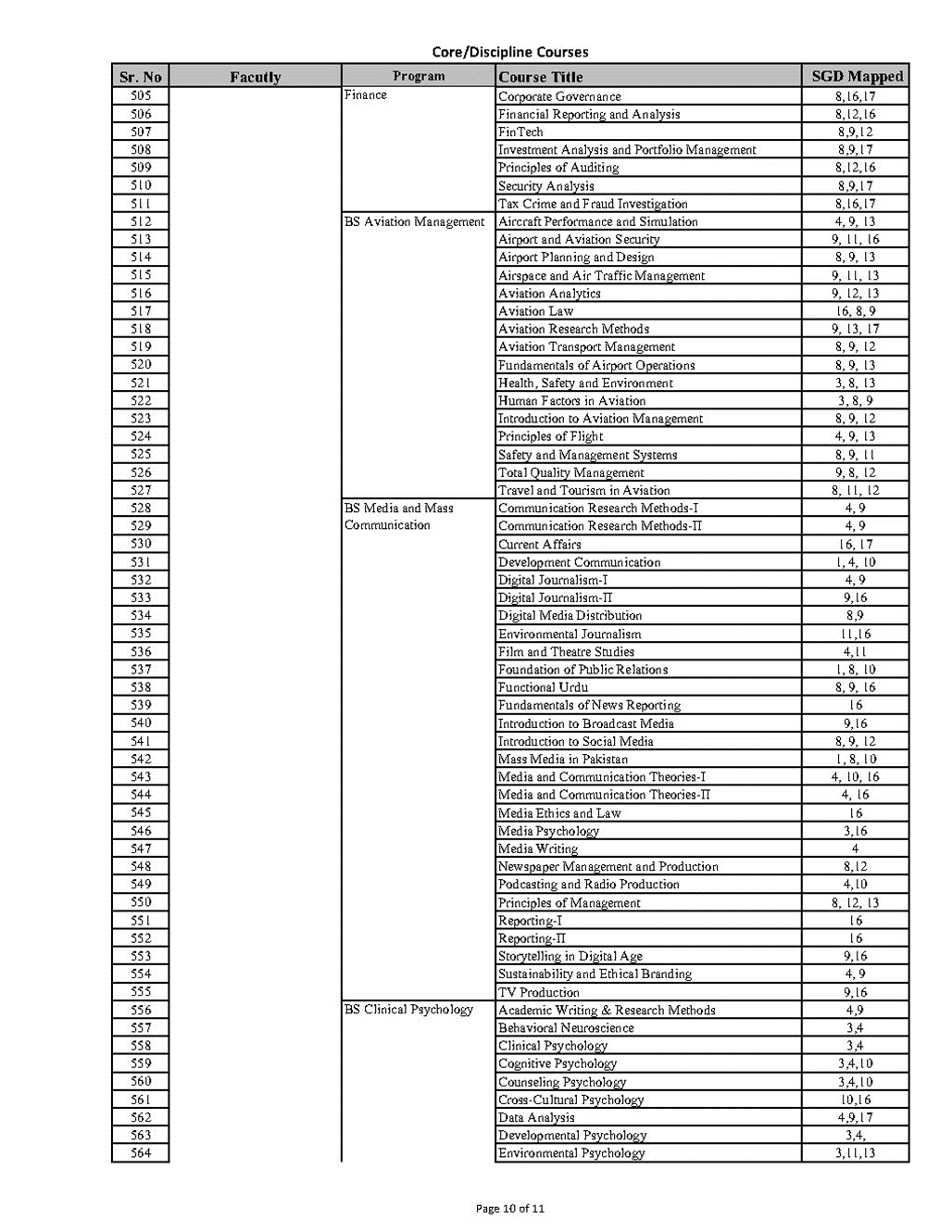
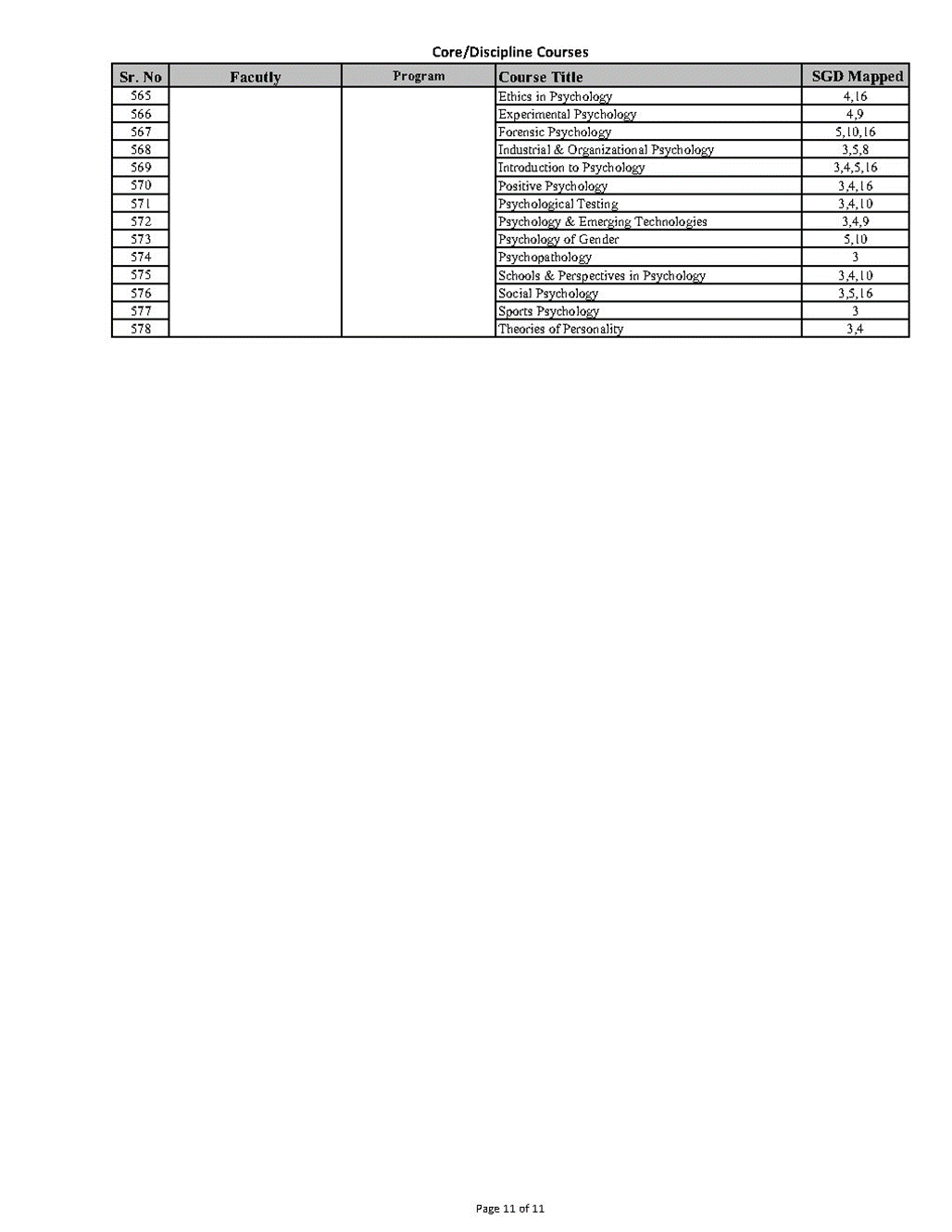
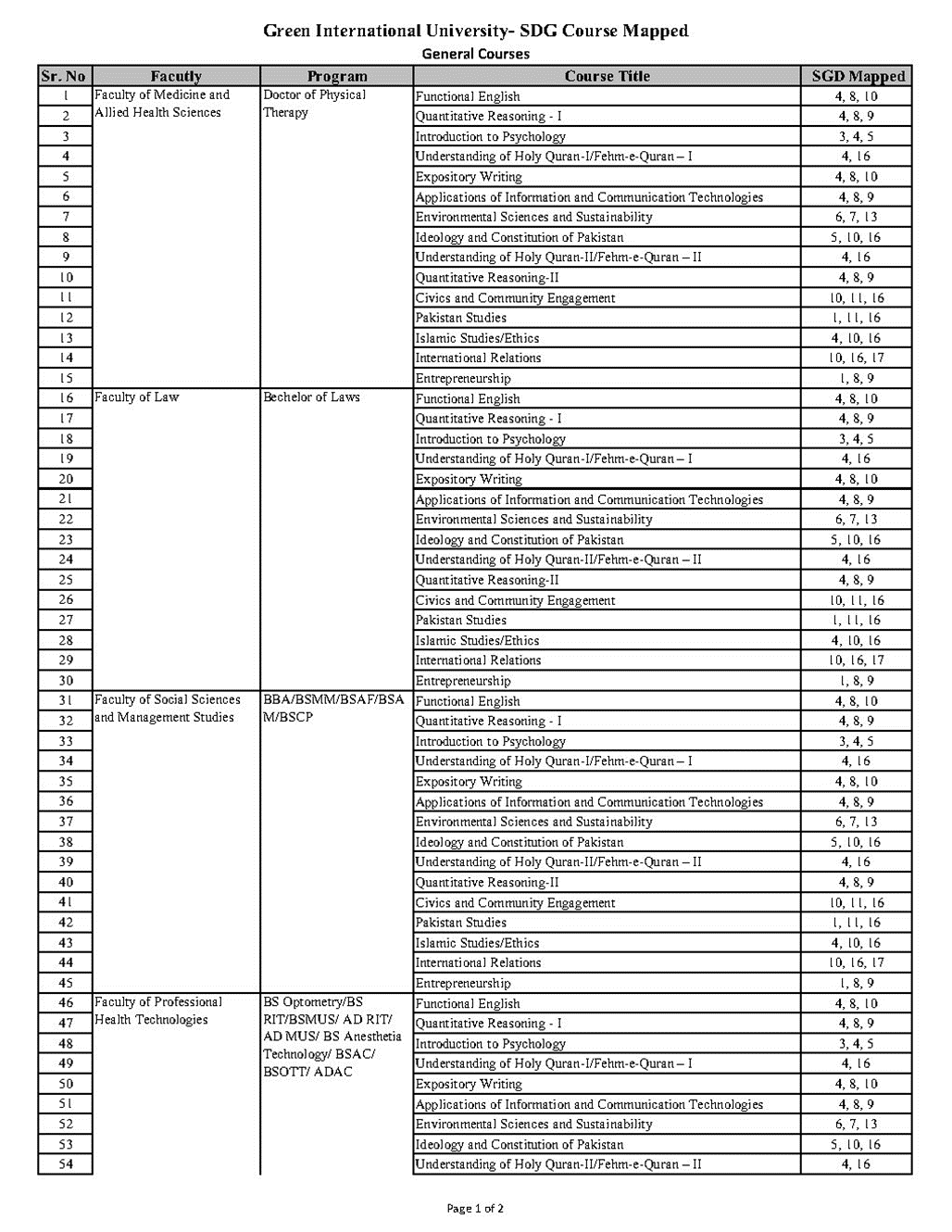
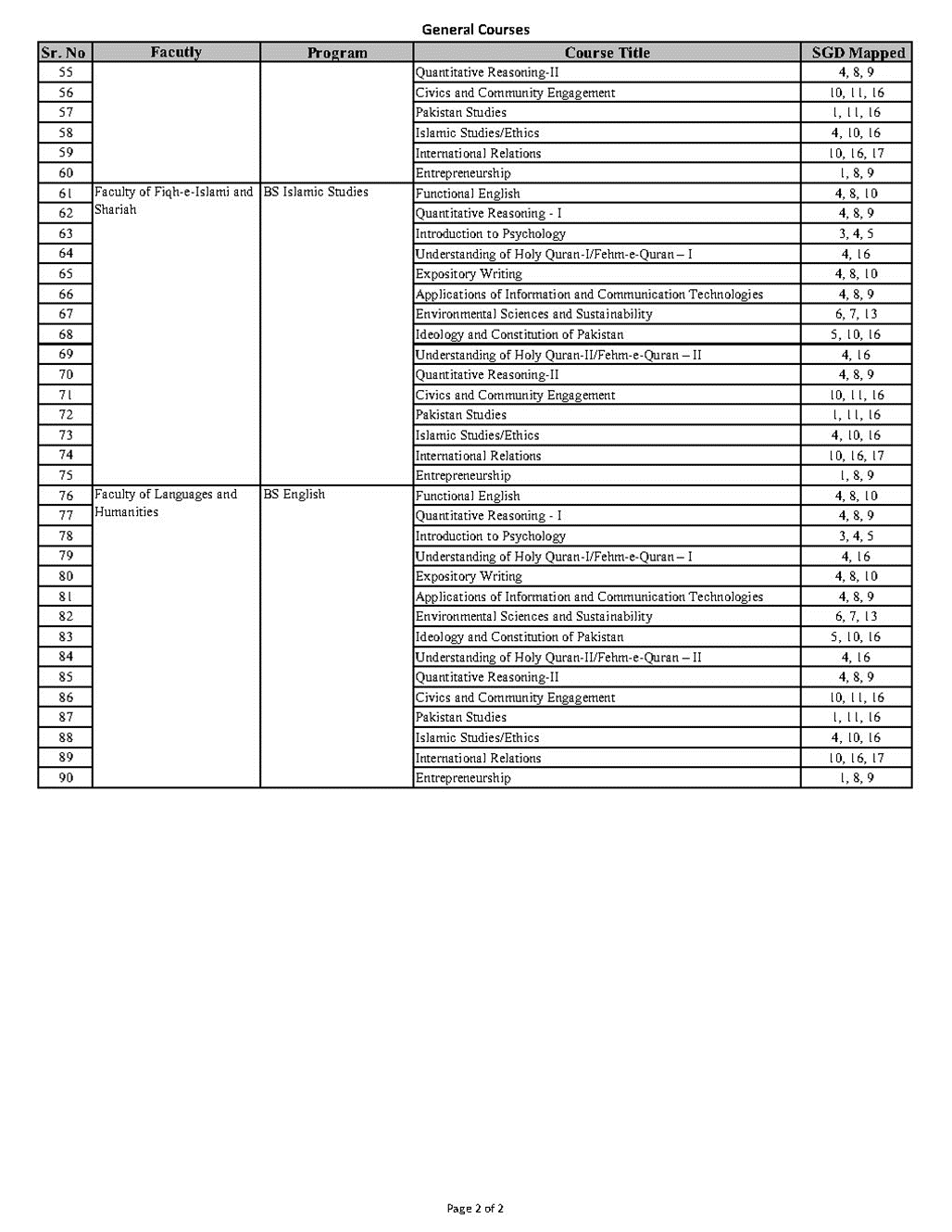
GIU has established an Integrated SDG Education Framework that embeds sustainability principles throughout its academic programmes. Rather than offering standalone sustainability degrees, the University incorporates SDG-related learning outcomes, practical projects, interdisciplinary learning, and community-based experiences across its curricula. The University offers 548 sustainability-related courses, including 458 discipline-specific courses and 90 general education courses, covering themes such as sustainable development, climate change, environmental management, public health, ethics and governance, social responsibility, and sustainable resource management. Sustainability education is integrated across Health Sciences, Computer Science, Business and Management Sciences, Pharmaceutical Sciences, Education, Law, Social Sciences, Languages and Humanities, and Islamic Studies, enabling students to apply sustainability principles within their respective professions.
Research, Innovation and Knowledge Creation
Research at GIU is driven by the goal of developing practical solutions that address real-world sustainability challenges. Faculty members and students engage in interdisciplinary research across public health, renewable energy, environmental conservation, digital technologies, water management, sustainable agriculture, entrepreneurship, and community development. The University promotes applied research, innovation, and problem-solving through research projects, capstone projects, entrepreneurship initiatives, and living laboratories. These activities encourage students and researchers to transform knowledge into sustainable solutions that benefit society while strengthening a culture of research excellence and innovation.
Conferences, Capacity Building and Academic Engagement
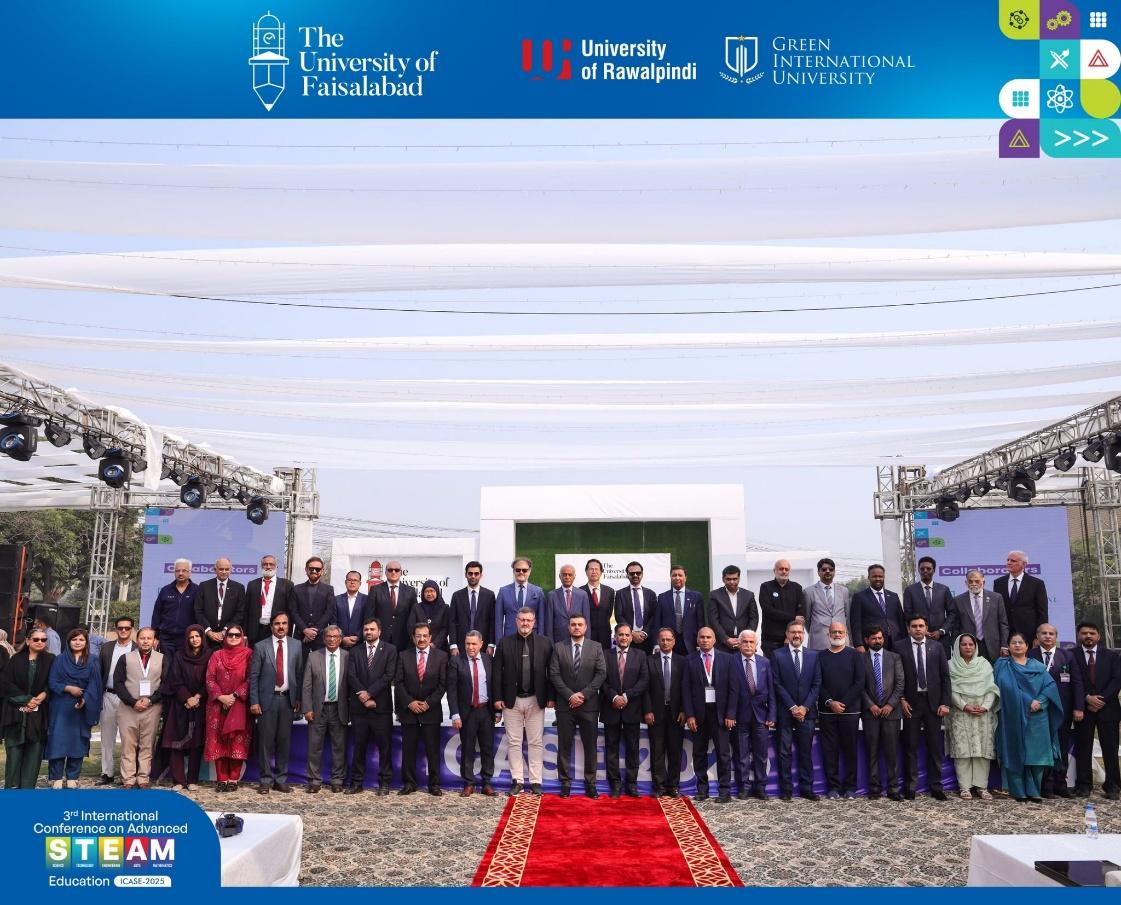
GIU regularly organizes and hosts international conferences, seminars, workshops, policy dialogues, faculty development programmes, and awareness campaigns that advance sustainable development and the SDGs. These academic platforms bring together researchers, policymakers, industry professionals, students, and community representatives to exchange knowledge, share best practices, and foster interdisciplinary collaboration. Through continuous professional development and academic engagement, the University strengthens institutional capacity, promotes evidence-based learning, and encourages innovation that responds to emerging global and national challenges.
Student Leadership and Community Outreach
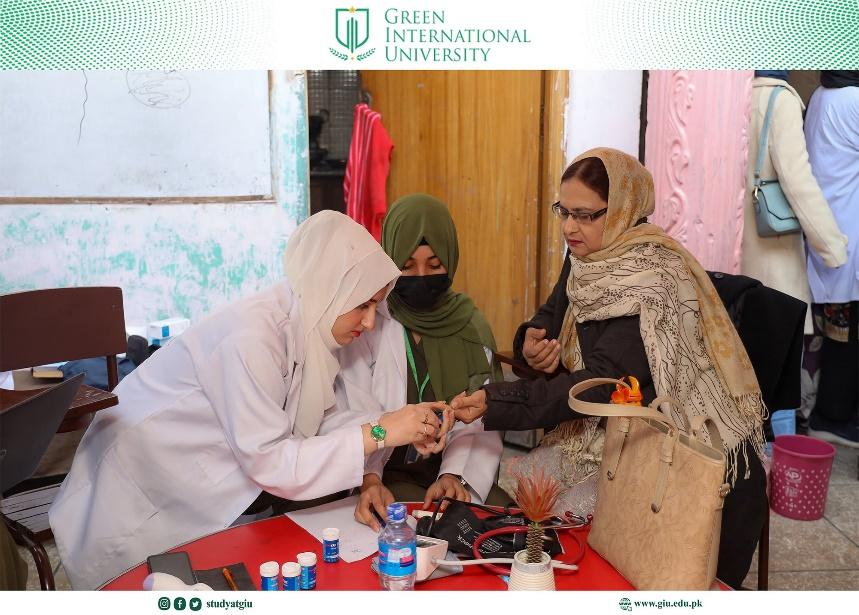
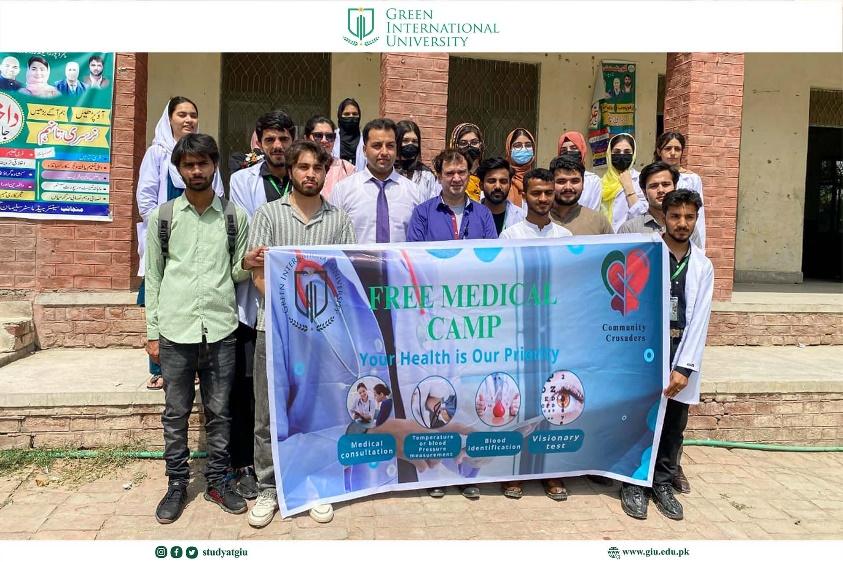
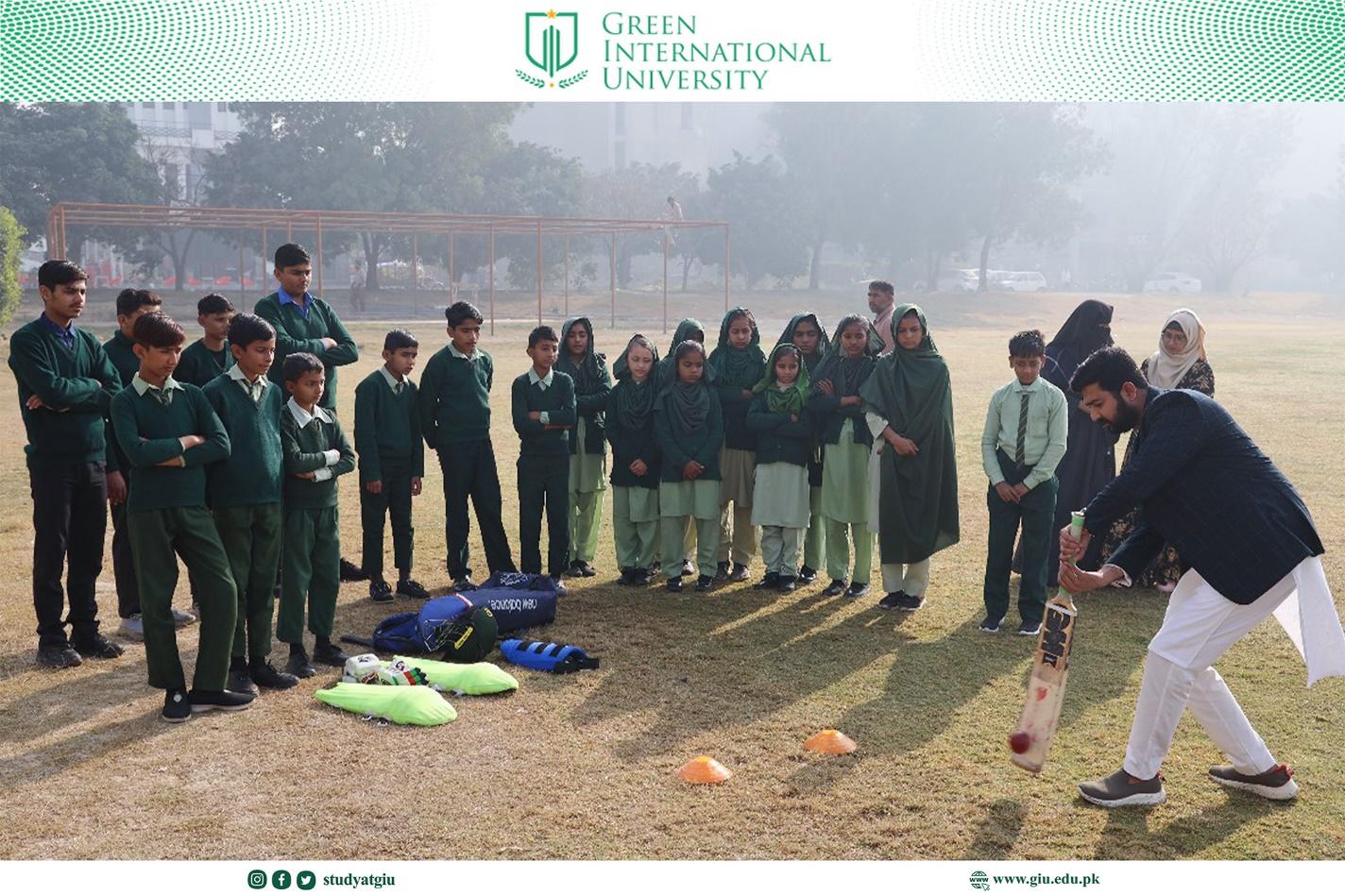
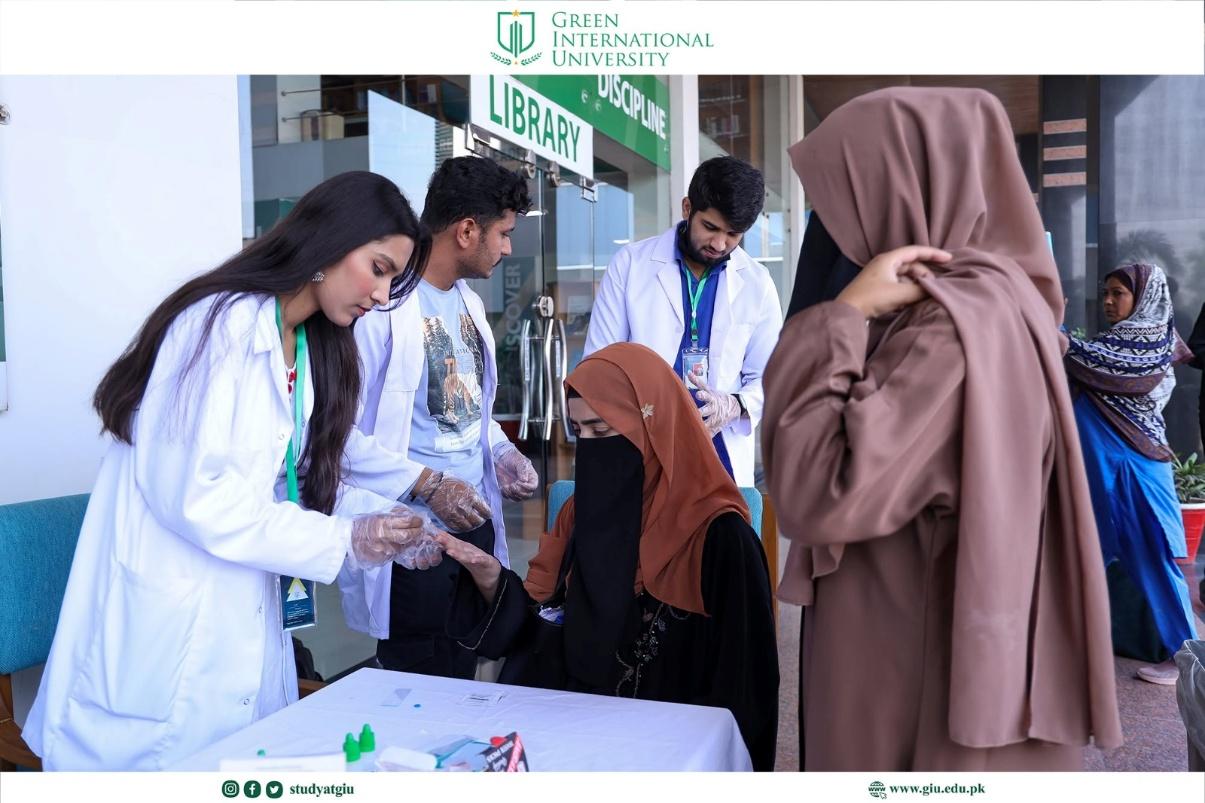
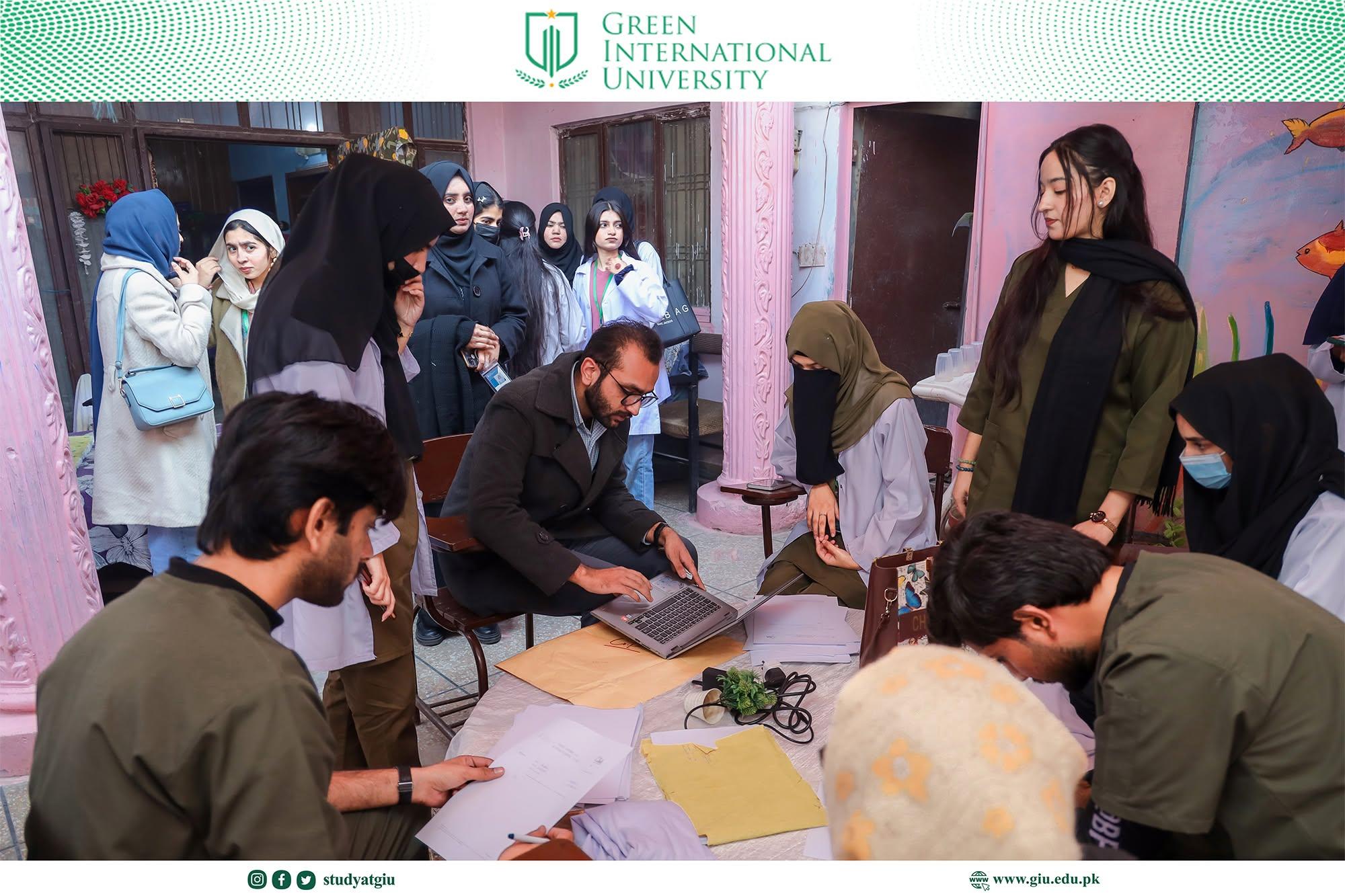
Student engagement is central to the University's sustainability mission. Through more than 15 active student societies, students participate in community service, health awareness campaigns, environmental initiatives, legal aid programmes, rural development projects, blood donation drives, free medical camps, oral health outreach, and other service-learning activities. These initiatives provide valuable experiential learning opportunities that allow students to apply academic knowledge while developing leadership, teamwork, communication, and problem-solving skills. Working alongside faculty members, healthcare professionals, legal experts, and community partners, students contribute to improving public health, environmental awareness, social inclusion, and community resilience.
International Collaboration and Global Partnerships
GIU actively collaborates with national and international universities, research institutions, healthcare organizations, government agencies, and industry partners to advance education, research, and sustainable development. International conferences, collaborative research projects, academic exchange programmes, and institutional partnerships strengthen knowledge sharing, encourage multidisciplinary research, and create opportunities for global academic engagement. These collaborations enhance research capacity, promote innovation, and enable students and faculty to participate in international initiatives addressing shared sustainability challenges.
Advancing the Sustainable Development Goals
The University's integrated approach to education, research, and outreach contributes to the achievement of the Sustainable Development Goals by promoting quality education, good health and well-being, gender equality, clean water, affordable and clean energy, innovation, reduced inequalities, sustainable communities, responsible resource management, climate action, biodiversity conservation, and global partnerships. By embedding sustainability throughout its academic programmes, research activities, innovation initiatives, and community engagement, Green International University develops graduates who are academically competent, socially responsible, and equipped to create meaningful and lasting contributions toward a more sustainable future.
 1
1
 2
2
 3
3
 4
4
 5
5
 6
6
Green International University offers dedicated courses that directly address sustainability and the SDGs. Further, all courses of University degree programs are fully aligned with SDGs and have SDG-relevant contents and assignment, projects, etc. The University implements a comprehensive sustainability-focused curriculum framework that integrates SDG themes into core subjects, departmental offerings and interdisciplinary modules. In addition, elective courses and workshops allow students from all disciplines to engage meaningfully with sustainability literacy and SDG implementation In 2025, the University implemented an integrated SDG-education framework that spans formal coursework (all general education, core, interdisciplinary and electives), co-curricular activities, and community engagement. Sustainability themes are woven throughout degree programs, including dedicated courses that directly address sustainability and the SDGs, ensuring all students develop essential SDG mindset and competencies. Further, all courses of the University degree programs are aligned with relevant SDGs and encompass SDG-related contents as well as mandatory assignments, projects, etc., in this regard.
Glimpses of Sustainability Efforts – 2025
Number of Courses Related to Sustainability
 1
1
 2
2
 3
3
 4
4
 5
5
 6
6
 7
7
 8
8
 9
9
 10
10
 11
11
 12
12
 13
13
 14
14
 15
15