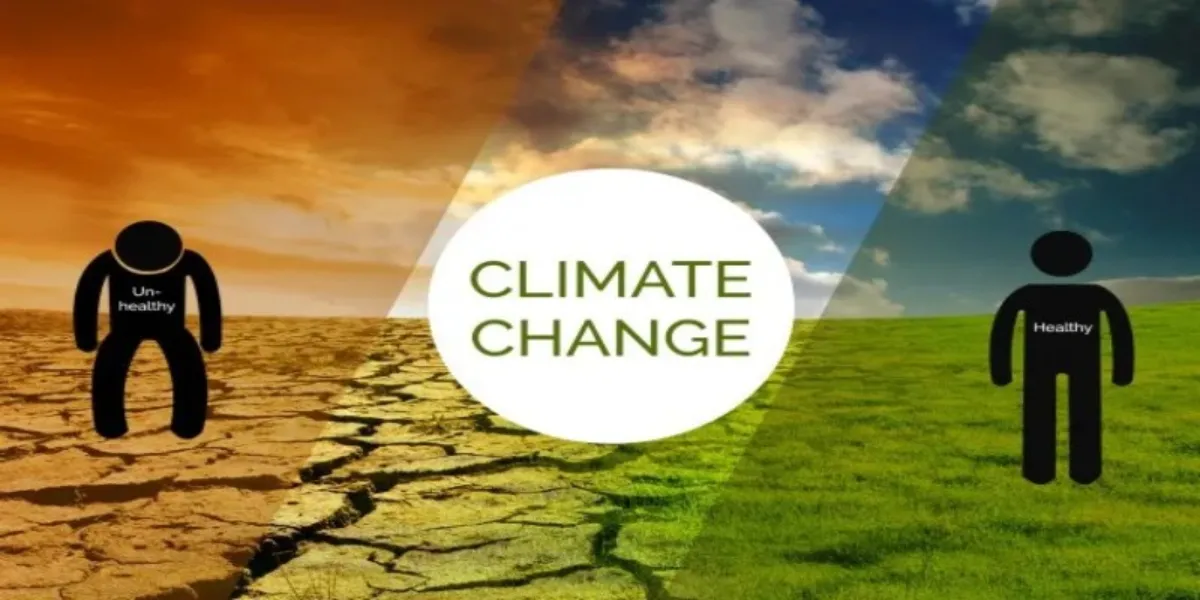
Climate change is no longer just an environmental debate, as it is rapidly becoming one of the most defining public health emergencies of our century. Rising global temperatures, extreme weather events, changing rainfall patterns, and environmental degradation directly impact human health worldwide. According to the World Health Organization, climate change threatens the foundational determinants of good health, including clean air, safe drinking water, sufficient food, and secure shelter. Without proactive interventions, the global burden of disease and mortality from environmental shifts will continue to escalate rapidly. Many academic institutions, including Green International University, recognize that understanding these risks and preparing a workforce equipped to mitigate them is essential for safeguarding communities worldwide.
Understanding the Growing Risks
The connection between shifting climate patterns and human health operates through multiple direct and indirect pathways, affecting both physical and mental well-being. Prolonged heatwaves are leading causes of weather-related deaths, often triggering heat stroke and exacerbating underlying cardiovascular or kidney diseases. Simultaneously, as global temperatures rise, mosquitoes and ticks expand into previously temperate regions, accelerating the spread of vector-borne illnesses such as dengue, malaria, and Zika. Flooding and droughts disrupt agricultural cycles, worsening global malnutrition while contaminating water supplies with dangerous pathogens. Furthermore, higher temperatures worsen air pollution and ground-level ozone, triggering severe respiratory conditions like asthma and COPD.
Educational Foundations for Healthcare Resilience
To address these complex and growing hazards, global health systems urgently need trained specialists who understand epidemiology, climate science, and policy development.
Undergraduate Leadership in Public Health
Building resilient community health systems begins with solid foundational education in this field. Programs such as a BS Public Health give students a comprehensive grounding in environmental risk assessment, biostatistics, and disease prevention, empowering them to implement effective local mitigation strategies during severe environmental crises.
Strategies to Prepare for Future Challenges
Addressing the climate-health nexus also requires immediate and structured action across both local and international levels. Health systems must implement surveillance models that track climate patterns and predict disease surges long before they occur. It is equally critical to transition healthcare facilities to clean energy infrastructure, so they remain fully operational during extreme weather events. Cross-sector collaboration between urban planners, environmental scientists, and public health officials is necessary to design climate-adapted cities and educate vulnerable populations on mitigating extreme environmental risks.
Advanced Research and Strategic Policy
Navigating long-term climate adaptation and large-scale emergency response requires advanced research expertise and strategic vision. Professionals who pursue a PhD Public Health focus on data-driven policy design, predictive modeling for disease outbreaks, and global health leadership to ensure healthcare systems remain adaptable to severe environmental shocks.
Moving Forward Against the Crisis
The health impacts of climate change are already unfolding around the world today. Investing in rigorous public health education, strong healthcare infrastructure, and proactive policy implementation is necessary to manage this emerging crisis and protect the well-being of future generations.
Conclusion
The intersection of climate change and public health presents a challenge that requires immediate, organized action. Protecting global communities from these escalating risks demands strong healthcare infrastructure, visionary policy, and highly trained professionals who can lead on the front lines. By prioritizing education, research, and proactive strategies, society can build resilient health systems capable of navigating environmental threats and safeguarding the well-being of future generations