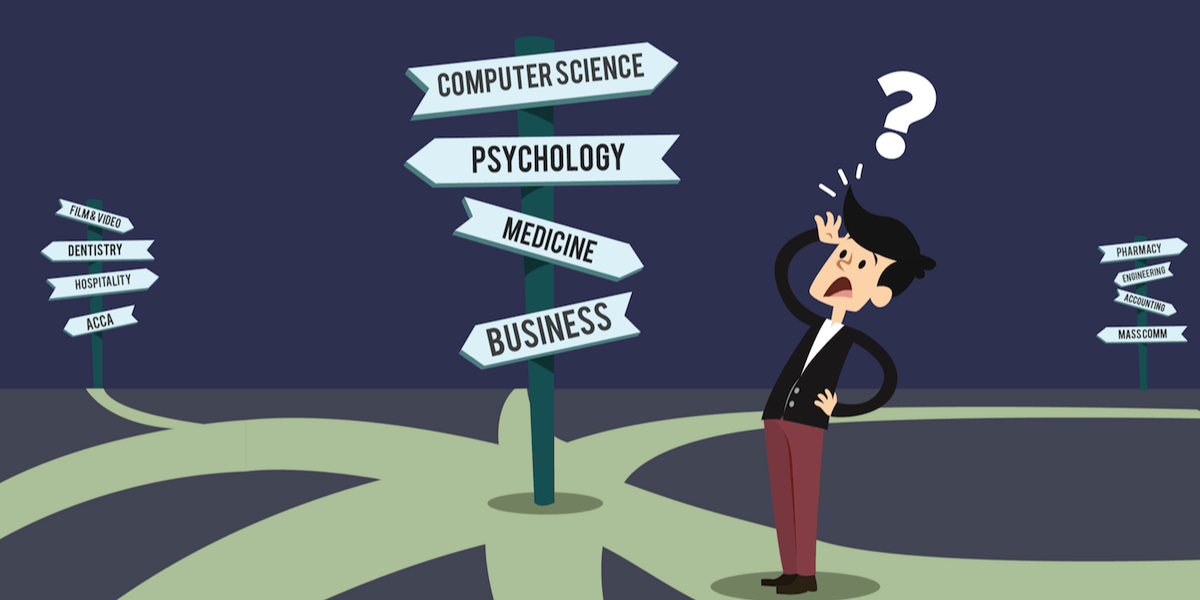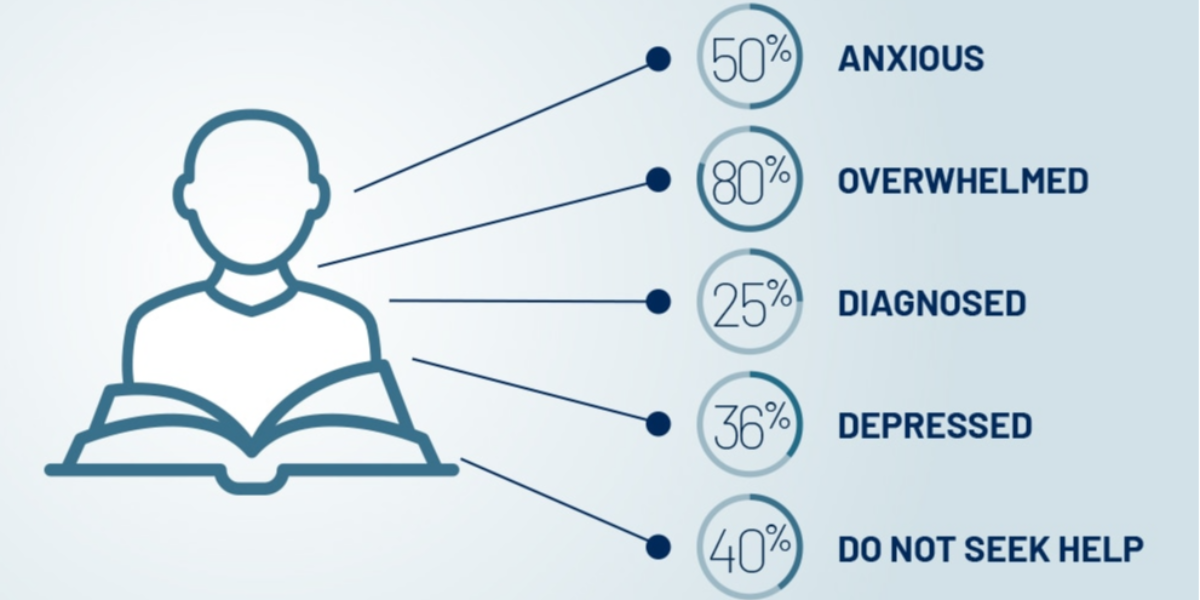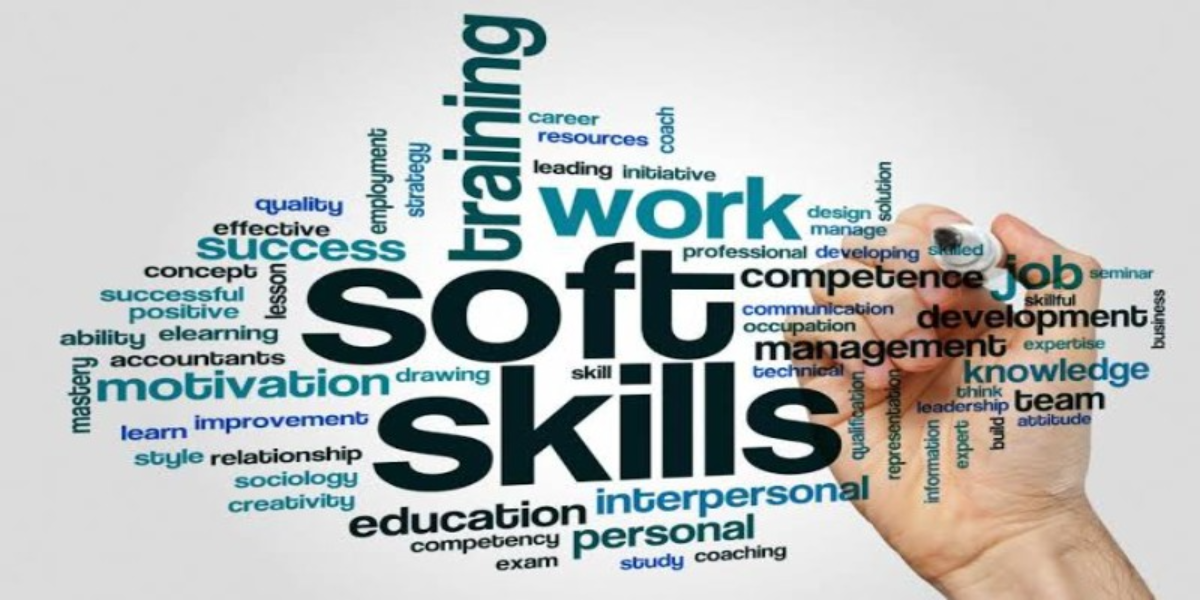
Securing a university degree is a massive milestone, but entering the modern professional job market requires more than just academic grades. While technical expertise or hard skills can get your resume noticed, it is your interpersonal soft skills that ultimately determine whether you will thrive in a corporate environment. In an era dominated by automation, cloud computing, and remote teams, employers are actively hunting for graduates who can communicate clearly, adapt to rapid market changes, and manage workplace relationships effectively.
Mastering Emotional Intelligence and Clear Communication
In any modern professional setting, the ability to express complex ideas simply and listen actively is crucial. Emotional intelligence allows professionals to navigate corporate stress, resolve interpersonal conflicts constructively, and work cohesively within diverse teams. Cultivating these behavioral habits and empathetic mindsets shares deep roots with academic disciplines focused on ethical leadership and human behavior. Graduates who specialize in high-level research programs, such as the advanced MPhil Islamic Studies (MPIS) degree, regularly develop these precise foundational traits by studying classical societal values and applying ethical philosophies to contemporary corporate and communal challenges.
Agility and Critical Thinking in a Changing World
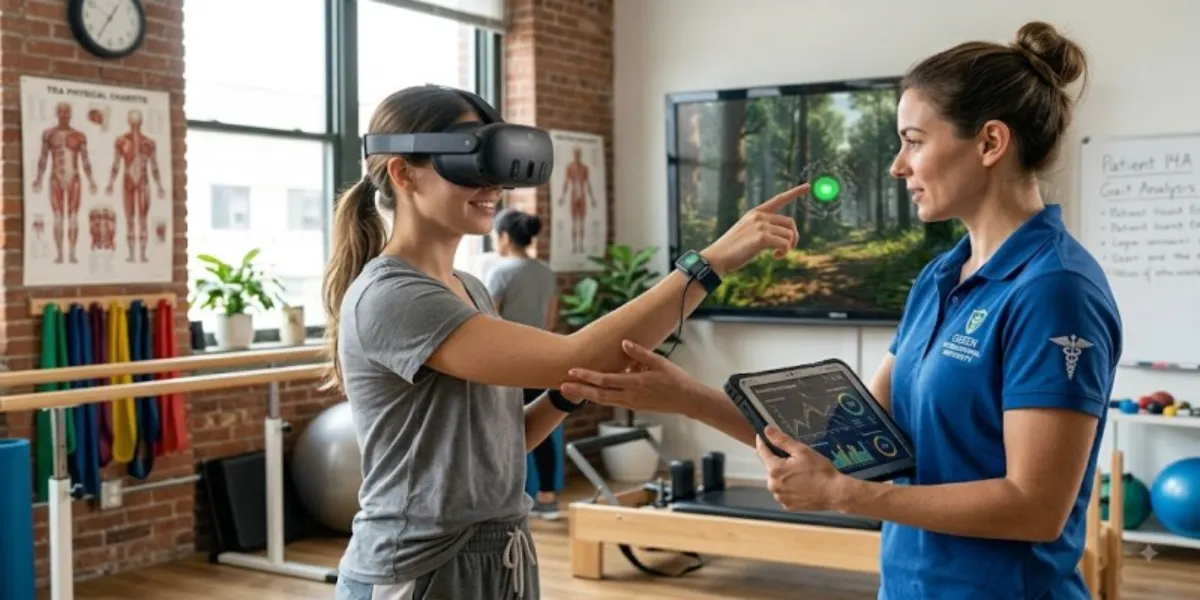
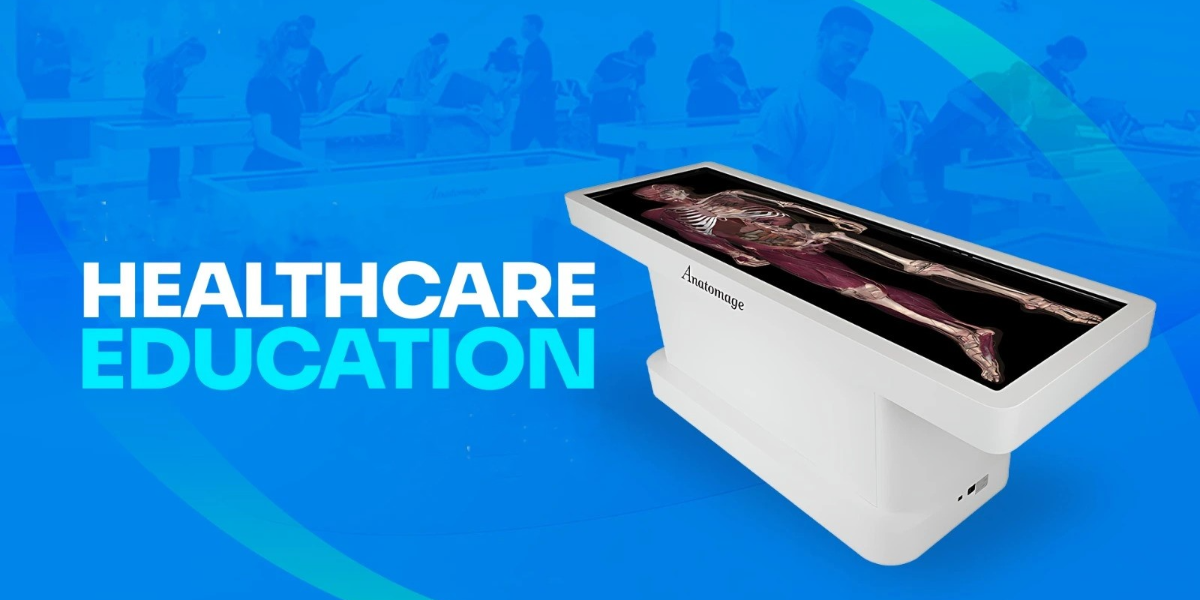
The contemporary workplace evolves at a breakneck pace, making adaptability a core survival skill for new hires. Employees are frequently asked to learn new software, pivot strategies mid-project, and analyze unexpected problems from entirely fresh angles. Developing this type of cognitive flexibility is heavily tied to how students interact with information during their higher education journey. Embracing modern pedagogical frameworks, such as understanding the Role of Technology & Digital Tools in Modern Education, trains students to adapt to interactive learning platforms, preparing them to seamlessly adopt agile digital workflows in the corporate sector.
Choosing the Right Academic Launchpad
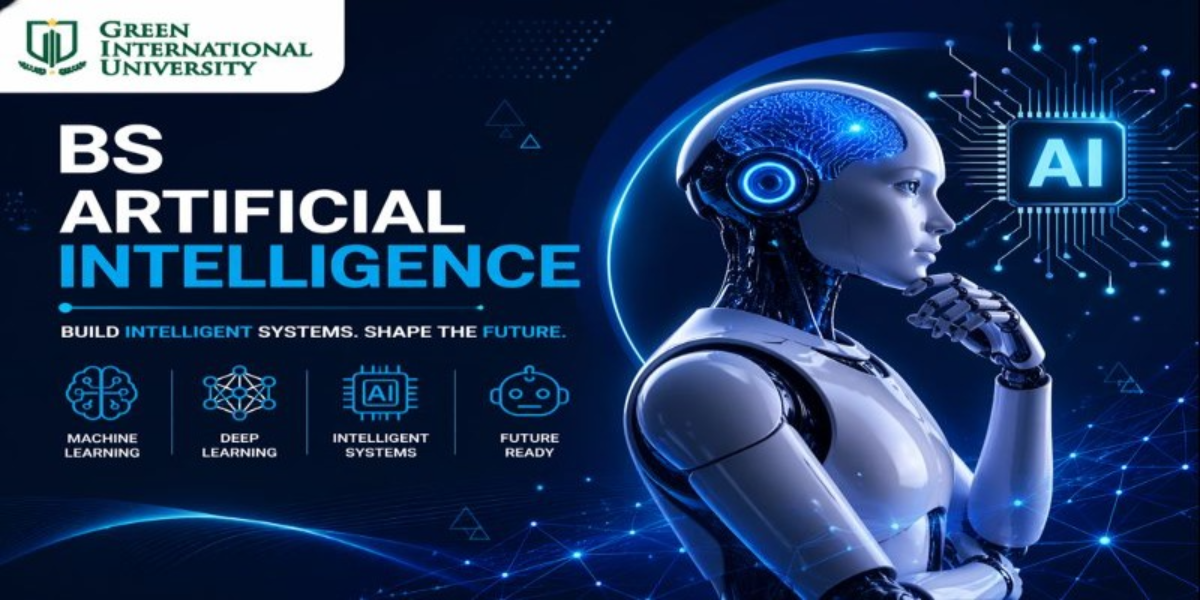
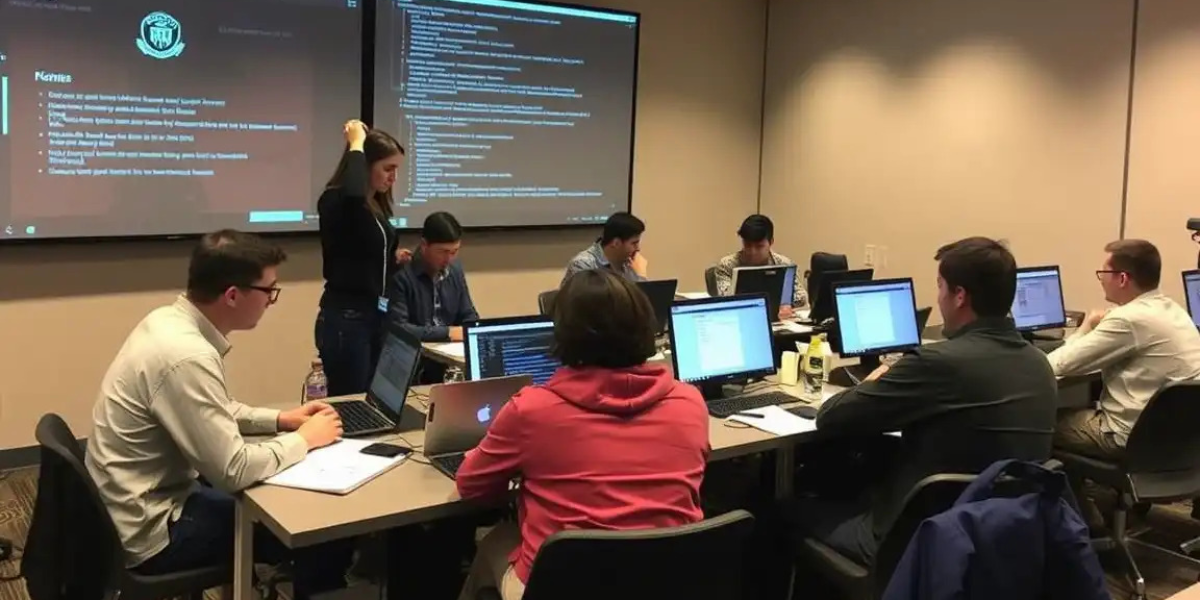
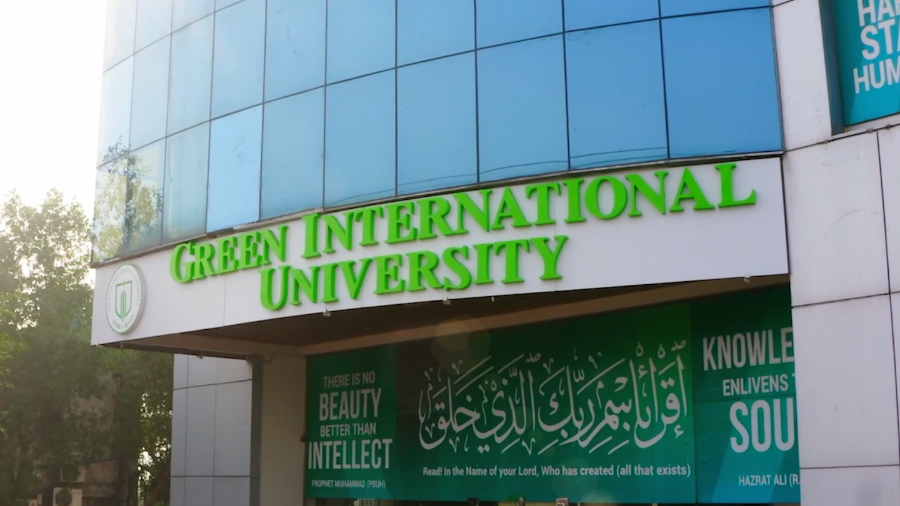
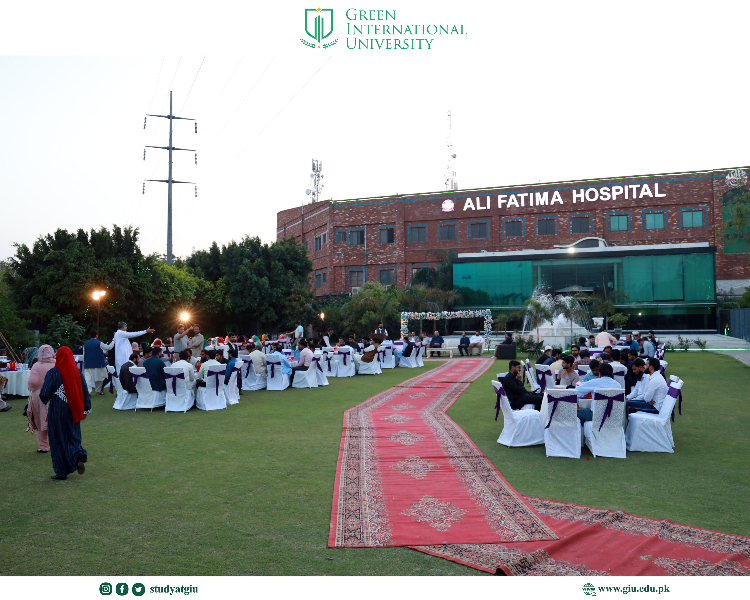
To truly build a well-rounded professional identity, students must choose an educational environment that values both technical mastery and soft skill refinement. Forward-thinking universities are redesigning classroom dynamics to prioritize group presentations, case study analysis, and professional networking workshops. Prominent institutions like Green International University focus explicitly on holistic student development, ensuring that their graduates enter the competitive market with both the practical degrees and the leadership traits necessary to stand out to top-tier recruiters.
Conclusion
The modern workplace does not reward passive technical knowledge; it rewards active, emotionally intelligent collaboration. By deliberately sharpening skills like critical thinking, time management, and empathetic communication alongside their university courses, graduates can future-proof their careers against automation. Ultimately, a degree might open the door to an interview, but your refined soft skills are what will secure the position and drive long-term professional advancement